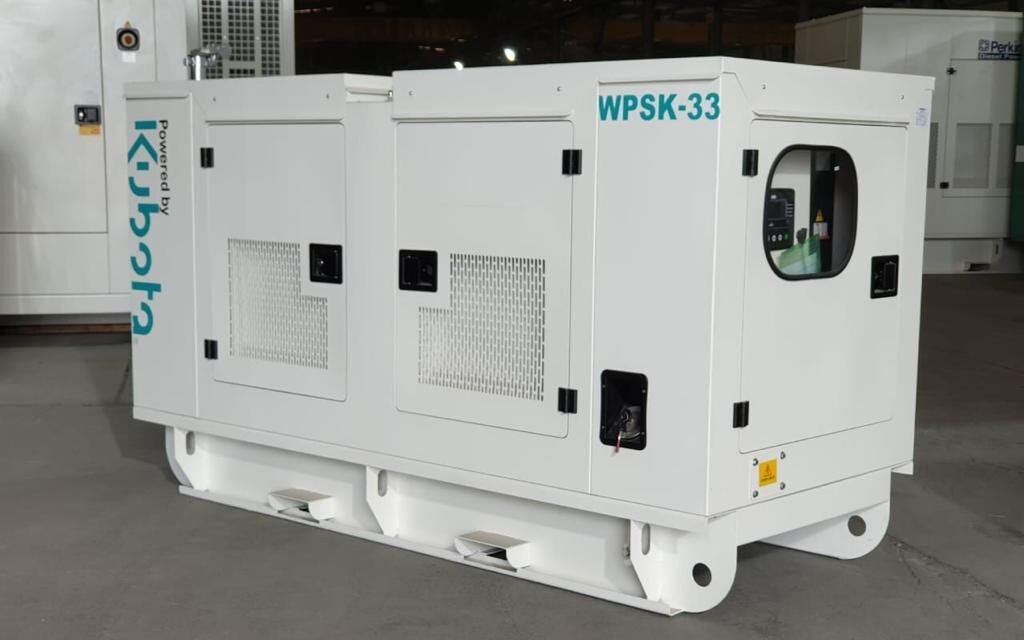
Kubota generators have long been synonymous with unwavering reliability, rugged durability, and fuel-sipping efficiency. When it comes to understanding the Technology & Key Features of Kubota Generators, you're exploring the heart of dependable power solutions that excel across a myriad of applications, from critical industrial sites to remote off-grid operations. These aren't just engines; they're meticulously engineered powerhouses designed to perform when it matters most, a reputation built over a century of innovation.
Choosing a generator can feel like navigating a complex technical landscape, but with Kubota, you're investing in a legacy. This guide will pull back the curtain on what makes these machines stand out, from their robust internal workings to their forward-thinking sustainability initiatives.
At a Glance: Why Kubota Generators Command Attention
- Unmatched Reliability: Built with Kubota's century-old engine expertise, these generators are designed for continuous, trouble-free operation.
- Exceptional Fuel Efficiency: Advanced engine technology means more power per gallon, significantly reducing operating costs.
- Leading-Edge Emission Control: Kubota is heavily invested in cleaner, low-emission technologies, meeting and exceeding global standards.
- Robust & Durable Construction: Engineered for tough environments, ensuring longevity and minimal downtime.
- Versatile Applications: Ideal for everything from construction sites and agricultural operations to disaster relief and hybrid renewable energy systems.
- Compact & Portable Options: Many models offer a small footprint and portability without sacrificing power output.
- Commitment to Sustainability: Actively developing hybrid systems and next-gen fuels to reduce carbon footprints.
The Power Behind the Name: Why Kubota Reigns Supreme
Since 1922, Kubota has been a pioneer in agricultural and industrial engines, forging a legacy of innovation and uncompromising quality. This deep-rooted expertise directly translates into their generator sets, which are now a significant component of the global backup power market. Companies like JIANGSU LONGEN POWER TECHNOLOGY CO., LTD. leverage Kubota-powered diesel engines to produce generator sets ranging from 5KVA to 3300KVA, showcasing the engine's incredible versatility and scalability.
The demand for reliable power is only growing, with the global diesel generator market projected to expand from approximately $25.2 billion in 2025 to $42.4 billion by 2033, growing at an annual rate of about 6.7%. In this expanding market, Kubota stands out as a beacon of trust, consistently delivering on promises of durability, efficiency, and steadfast performance. It's a brand chosen by those who understand that power isn't just a commodity; it's a critical lifeline.
Kubota's Core Engine Technology: Built for Durability and Performance
At the heart of every Kubota generator is a finely tuned diesel engine, the culmination of decades of research and development. These engines aren't merely assembled; they are engineered with precision to withstand the rigors of continuous operation, often under demanding conditions.
The core technology focuses on several key areas:
- High-Quality Components: Kubota uses robust materials and exacting manufacturing processes for every part, from the crankshaft to the fuel injection system. This commitment to quality minimizes wear and tear, contributing to the generator's remarkable longevity and reliability.
- Direct Injection Systems: Many Kubota engines utilize advanced direct injection, which precisely controls fuel delivery. This optimizes combustion, leading to higher power output, reduced fuel consumption, and cleaner exhaust.
- Engineered for Toughness: These engines are designed to operate reliably in diverse climates and challenging environments. Their robust construction ensures they can handle heavy loads for extended periods without faltering, a crucial feature for industrial and remote applications.
- Optimized Cooling Systems: Efficient cooling is vital for engine health and performance. Kubota generators incorporate well-designed cooling systems that maintain optimal operating temperatures, preventing overheating and extending engine life.
This blend of superior engineering and quality components means less downtime, lower maintenance costs, and ultimately, a more reliable power source for your operations.
Embracing Tomorrow: Kubota's Leap into Sustainable Power Generation
The world is rapidly moving towards cleaner energy, and Kubota is not just keeping pace; it's actively driving change. The company's commitment to sustainability is evident in its significant investments in cleaner, low-emission engine technologies that meet or exceed international standards. This forward-thinking approach is critical as the overall diesel generator market is expected to reach approximately $37.78 billion USD by 2025, largely driven by stricter emissions regulations.
Kubota's vision for sustainable power generation includes several exciting advancements:
- Optimized Internal Combustion Engines: Kubota aims to optimize these engines to reduce greenhouse gas emissions by up to 50%. This involves continuous refinement of fuel delivery, combustion processes, and exhaust after-treatment systems.
- Advanced Turbocharging (2024): Expect to see turbocharging systems offering up to 92% fuel efficiency and a 30% reduction in emissions, seamlessly integrating with biomass systems for a multi-faceted energy approach. For those keen on optimizing generator fuel efficiency, these advancements are game-changers.
- Hybrid Diesel-Electric Technology (2025): A significant step towards eco-friendliness, Kubota is developing hybrid systems that combine diesel engines with electric batteries. The U.S. Department of Energy suggests such hybrid solutions could reduce carbon footprints by about 25% compared to traditional diesel generators. These systems are projected to achieve 88% fuel efficiency and 40% emissions reduction, with solar integration becoming standard.
- High-Efficiency Engines (2026): Further advancements in engine design are set to yield 90% fuel efficiency and a 25% reduction in emissions, providing robust support for fluctuating renewable sources like wind power.
- Remote Monitoring Technology (2027): This will offer sophisticated oversight, contributing to 85% fuel efficiency and 35% emissions reduction by enabling proactive maintenance and optimized operation through hybrid solutions.
- Next-Generation Fuels (2028): Kubota is exploring and developing engines compatible with future fuels, anticipating up to 89% fuel efficiency and an impressive 45% emissions reduction, with fuel cell compatibility on the horizon.
According to a 2022 IEA report, the global shift to sustainable energy solutions is expected to increase by around 35% over the next decade. Kubota is positioning itself at the forefront of this transition, demonstrating that powerful generators can also be environmentally responsible. This focus on advanced emission reduction technologies is a core pillar of their long-term strategy.
Key Features That Set Kubota Generators Apart
Beyond their robust engines and sustainable vision, Kubota generators are packed with practical features that translate directly into benefits for the user.
Fuel Efficiency
One of the most compelling advantages of Kubota diesel generators is their exceptional fuel efficiency. This isn't just about saving money at the pump; it's about extended run times, reduced refueling stops, and a smaller carbon footprint. Through precise fuel injection, optimized combustion chambers, and efficient power delivery, Kubota engines maximize every drop of diesel. This efficiency directly contributes to lower operating costs and makes them a smart economic choice for long-term power needs.
Advanced Emission Control Systems
Kubota is not just meeting emission standards; they're often setting the bar. Their generators incorporate sophisticated emission control systems designed to reduce harmful pollutants. This includes technologies like Diesel Particulate Filters (DPF) and Exhaust Gas Recirculation (EGR), which ensure cleaner exhaust and compliance with stringent environmental regulations worldwide. These systems are crucial for operating in environmentally sensitive areas and urban environments.
Durability and Low Maintenance
Built for the long haul, Kubota generators boast a reputation for incredible durability. Their heavy-duty construction minimizes wear and tear, even under continuous use in harsh conditions. This inherent toughness translates into lower maintenance requirements and significantly longer service intervals compared to many competitors. Fewer breakdowns mean greater uptime and reduced operational headaches.
Compact Design and Portability
Many Kubota generator models, particularly those in the GL and D Series, are engineered with a compact footprint. This thoughtful design makes them easier to transport, store, and position, even in confined spaces. For applications requiring mobility, like remote construction sites or emergency response, models with robust wheel kits provide excellent portability without compromising power output. This compact nature is a key benefit for those with portable power needs who still require significant output.
Low Noise Operation
Operating a generator doesn't have to mean enduring a cacophony of noise. Kubota understands this, and many of their models feature advanced sound-attenuating enclosures and vibration reduction technologies. This results in significantly quieter operation, making them suitable for residential areas, event power, or any application where noise pollution is a concern.
Versatility Across Applications
From powering a remote farm workshop to backing up a critical medical facility, Kubota generators offer incredible versatility. Their stable power output, often with automatic voltage regulation (AVR), makes them suitable for sensitive electronics as well as heavy-duty machinery. This adaptability is why they are a go-to choice across various industries.
Where Kubota Generators Shine: Real-World Applications
Kubota generators are not just pieces of equipment; they are essential tools that enable a wide array of activities across diverse sectors.
- Construction Sites: Providing reliable power for tools, lighting, and temporary offices, even in the most remote locations. Their robust V Series generators are particularly valued here for industrial power solutions that withstand tough conditions.
- Agricultural Operations: Powering irrigation systems, barns, workshops, and providing essential backup during power outages to protect livestock and crops.
- Disaster Relief Efforts: Their portability and robust design make them vital for providing essential power for temporary shelters, medical tents, and communication systems in emergency situations.
- Events and Entertainment: Offering quiet, dependable power for concerts, outdoor festivals, and film sets where stable and unobtrusive electricity is paramount.
- Renewable Energy Integration: Kubota generators serve as crucial backup power for solar and wind systems, seamlessly kicking in when renewable production fluctuates or storage runs low, ensuring continuous energy supply. This hybrid approach significantly boosts sustainability.
- Telecommunications: Ensuring uninterrupted power for cell towers and data centers, critical infrastructure that cannot afford downtime.
Choosing Your Kubota: A Practical Guide
Selecting the right Kubota generator means matching its capabilities to your specific needs. Here's what to consider, particularly for the popular 8KW-27KW range:
1. Power Output (KW/KVA)
This is the most critical factor. Calculate the total wattage of all the appliances and tools you need to run simultaneously, plus a little extra for starting surge.
- For residential backup or small businesses (e.g., GL Series): 5-10 kW is often sufficient.
- For larger residential, commercial, or light industrial use (e.g., D Series): 6-15 kW offers a good balance.
- For heavy-duty industrial or continuous operations (e.g., V Series): 10-50 kW (and upwards) provides the necessary muscle.
2. Portability vs. Stationary
- Portable (GL, D Series): If you need to move the generator frequently between job sites or around your property, look for models with a compact design, a sturdy frame, and optional wheel kits.
- Stationary (Larger V Series): For permanent backup power at a home, business, or industrial facility, larger, heavier units designed for fixed installation will be more suitable.
3. Noise Levels
If the generator will be operating near homes, offices, or public areas, noise levels (measured in dB) are crucial. Kubota's GL Series, known for its low noise output, is an excellent choice for such sensitive environments. Look for models with sound-attenuating enclosures.
4. Maintenance Needs & Warranty
While Kubota generators are known for low maintenance, understanding the service schedule and the availability of parts is important. A strong warranty indicates manufacturer confidence. Ensure you have access to a reliable service network. Regular maintenance is essential for generator longevity; make sure to factor this into your long-term cost analysis. For guidance, refer to essential generator maintenance tips.
5. Fuel Type
Kubota generators predominantly run on diesel. Consider the availability and cost of diesel in your area. Diesel is generally more fuel-efficient and has a longer shelf life than gasoline, making it ideal for backup power.
6. Budget vs. Long-Term Value
Kubota generators often have a higher initial purchase cost compared to some competitors. However, this upfront investment is typically offset by their superior fuel efficiency, lower maintenance costs, and exceptional durability, leading to a much lower total cost of ownership over the generator's lifespan.
Spotlight on Popular Kubota Series:
| Series | Power Range | Key Characteristics | Ideal Applications |
|---|---|---|---|
| GL Series | 5-10 kW | Compact, fuel-efficient, portable, low noise, excellent value | Home backup, small businesses, events, light construction, sensitive environments |
| D Series | 6-15 kW | Balances power and portability, compact, easy maintenance, versatile | Residential, commercial backup, rental fleets, medium-duty construction |
| V Series | 10-50 kW+ | Heavy-duty, durable, engineered for long run times, robust | Industrial sites, large commercial operations, continuous power, demanding environments |
Kubota Pros and Cons at a Glance:
Pros:
- Exceptional reliability and longevity
- Outstanding fuel efficiency
- Versatile for a wide range of applications
- Many models are compact and portable
- Generally low noise operation
- Strong commitment to sustainability and emission reduction
Cons: - Higher initial purchase cost
- Some larger models can be heavy (reducing portability)
- Sourcing parts for very old or obscure models could be challenging
- While advancing, some entry-level models might lack the most cutting-edge smart features found in newer competitors
- Requires regular, albeit straightforward, maintenance
Addressing Common Questions About Kubota Generators
You've got questions; we've got answers. Here are some common inquiries about Kubota generators:
Are Kubota generators worth the higher initial cost?
Absolutely. While the upfront investment might be higher, Kubota generators offer superior fuel efficiency, exceptional durability, and lower maintenance costs over their lifespan. This translates to a significantly lower total cost of ownership and far greater reliability, making them a wise long-term investment.
How often do Kubota generators need maintenance?
Regular maintenance, including oil changes, filter replacements, and general inspections, is crucial. The exact schedule varies by model and usage, but typically, routine checks are recommended before each use, with more comprehensive service intervals every 50-100 hours of operation or annually. Following the manufacturer's manual is key.
Can Kubota generators integrate with solar or wind power systems?
Yes, this is one of their growing strengths. Kubota generators are increasingly used in hybrid power setups, acting as a reliable backup when renewable energy production is low or battery storage is depleted. Their stable power output and ability to start on demand make them ideal partners for boosting the resilience of sustainable energy projects.
Are parts difficult to find for older Kubota generator models?
While it might be slightly more challenging for very old or discontinued models, Kubota has an extensive global dealer network that generally stocks or can order parts efficiently. Sticking with authorized dealers is usually the best way to ensure you get genuine Kubota parts.
Are Kubota generators loud?
Many Kubota models, especially the GL series, are designed for low-noise operation. They often feature sound-attenuating enclosures and advanced engine designs to minimize operational noise, making them suitable for noise-sensitive environments.
Maximizing Your Kubota Investment: Best Practices
To truly benefit from your Kubota generator, consider these practical tips:
- Right-Sizing is Key: Don't underpower or overpower. A generator that's too small will be overworked; one that's too large will run inefficiently. Precisely calculate your power needs.
- Implement a Robust Maintenance Schedule: Even with their low-maintenance reputation, consistent upkeep prevents problems. Keep fluids topped off, filters clean, and components inspected. This prolongs life and ensures peak performance.
- Understand Your Load: Familiarize yourself with the starting and running wattage of your critical appliances and tools. This helps you manage your power consumption effectively and prevents overloading the generator.
- Ensure Proper Ventilation: Generators need ample airflow to prevent overheating and ensure safe operation. Always operate them in a well-ventilated area, away from combustible materials.
- Fuel Management: Store diesel fuel properly to maintain its quality. Consider fuel stabilizers if storing for extended periods. Keep your fuel tank clean to prevent contaminants from entering the engine.
- Stay Informed on Incentives: If you're blending traditional diesel generators with renewables, look into government incentives or grants for sustainable energy projects. This can significantly reduce overall project costs and enhance sustainability.
The Future of Powering Your World with Kubota
As the global generator market continues its steady growth – around 5.3% annually between 2023 and 2030 – the role of dependable diesel generators remains critical. While renewable energy sources like solar (growing by 23% in 2021, according to IRENA) are gaining traction due to falling costs, diesel generators provide the on-demand, reliable electricity that renewables cannot yet consistently guarantee on their own.
Kubota's ongoing investment in cleaner, more efficient, and hybrid technologies positions them not just as a current market leader, but as a key player in the evolving energy landscape. Their focus on reducing greenhouse gas emissions and developing hybrid diesel-electric systems underscores a commitment to both performance and planetary health.
For any power setup, considering specific energy needs and location is paramount. Blending the unwavering reliability of a Kubota generator with renewable energy sources like solar panels can create a highly efficient, sustainable, and resilient power solution.
Ready to Power Up? Your Next Steps
Whether you're looking for a backup solution for your home, a robust power source for an industrial site, or a reliable partner for your sustainable energy project, Kubota generators offer a compelling combination of advanced technology and proven reliability. By understanding their key features and commitment to future-proof power, you can make an informed decision that will serve you well for years to come.
To dive deeper into specific models, compare options, and find the perfect fit for your unique requirements, explore our comprehensive Kubota Generator Guide. The power to choose wisely is now in your hands.